
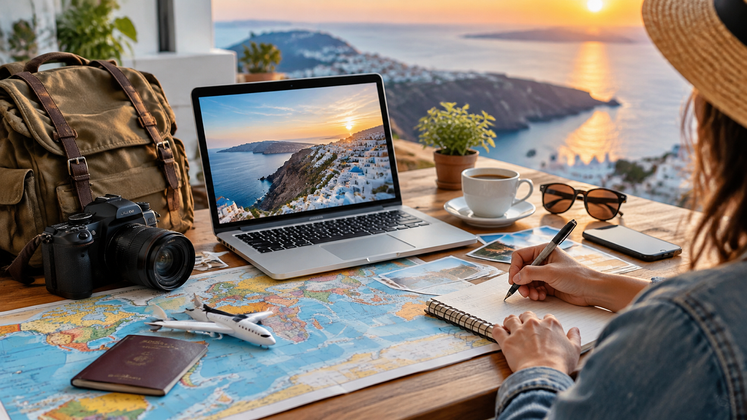

Travel planning becomes much easier when people use digital tools, organize important information, and make transportation decisions early. For example, travelers arriving in Michigan can research Enterprise Rent A Car Detroit Metro Airport DTW while comparing transportation options for their journey. A few practical habits can reduce confusion, save time, and make business trips or holidays more comfortable.
*Why Efficient Travel Planning Matters
*
A well-organized travel plan helps people manage their schedules without unnecessary stress. It also makes it easier to coordinate flights, accommodation, ground transportation, and meetings. Planning ahead does not mean scheduling every minute. Instead, it means preparing enough information to make decisions confidently while leaving room for flexibility.
**
7 Powerful Ways to Make Travel Planning More Efficient
**
*1. Organize Travel Details Digitally
*
Keep booking confirmations, addresses, departure times, and reservation numbers in one digital folder. A notes application or travel organizer can make these details easier to find. Use clear file names and save essential information for offline access when possible. This simple habit reduces the time spent searching through emails during a busy travel day.
*2. Choose Transportation Before Departure
*
Transportation can influence the entire travel schedule. Research airport transfers, public transportation, taxis, and rental vehicles before leaving home. Consider the destination, luggage requirements, distance, and number of passengers. Making this decision early helps travelers estimate costs and avoid last-minute confusion when they arrive somewhere unfamiliar.
*3. Compare Available Travel Options
*
Avoid choosing transportation based only on its advertised price. Consider additional fees, pickup arrangements, convenience, and the time required to reach your destination. A slightly more expensive option may offer better overall value if it saves significant time or simplifies your itinerary. Comparing the complete costs provides a clearer basis for making practical decisions.
*4. Keep Important Documents Accessible
*
Store digital copies of identification documents, tickets, hotel confirmations, and insurance details securely. Keep original documents available when required, since digital copies may not replace official identification. Use a strong device passcode and avoid sharing sensitive information through unsecured public networks. Good document organization makes check-ins and travel arrangements easier to manage.
*5. Use Maps and Navigation Tools
*
Digital maps help travelers understand distances, identify nearby services, and estimate journey times. Download offline maps when traveling through areas with unreliable connectivity. Check traffic conditions before departing and allow extra time during busy periods. Navigation tools work best when used alongside basic preparation, rather than as a replacement for checking routes and transportation instructions.
*6. Prepare for Unexpected Changes
*
Travel schedules can change because of weather, delays, or unexpected commitments. Leave some flexibility between important appointments and keep alternative transportation options in mind. Save relevant customer service details and review cancellation policies before booking. A simple backup plan makes it easier to respond calmly when the original itinerary needs adjustment.
*7. Review Your Travel Plan
*
Before departure, review your schedule, reservations, luggage, and transportation arrangements. Confirm pickup locations and check whether any booking instructions have changed. A short checklist can help prevent overlooked details. For longer trips, review the following day's plans each evening so that you can begin the morning with a clearer idea of what needs attention.
*Final Thoughts
*
Efficient travel planning depends on organization, informed decisions, and practical technology. Digital documents, navigation tools, early transportation research, and flexible schedules can make journeys easier to manage. The goal is not to eliminate every uncertainty but to prepare for common challenges. With a few consistent habits, travelers can spend less time resolving logistical problems and more time enjoying their destination.



Discussion (0)